
What Cancer Survivorship Really Looks Like Emotionally
We’ve all seen the finish-line photos. The shaved heads, the bell-ringing, the tearful hugs with nurses and family. And don’t get me wrong, those moments are real, and they absolutely matter. But if survivorship were just a straight line from diagnosis to “cured,” we wouldn’t need to talk about it so much. The truth is, what happens after the treatment ends is rarely a straight path. It’s more like a winding trail with unexpected dips, sudden clarity, quiet recalibrations, and a whole lot of learning how to breathe again.
The Day the Ground Shifts
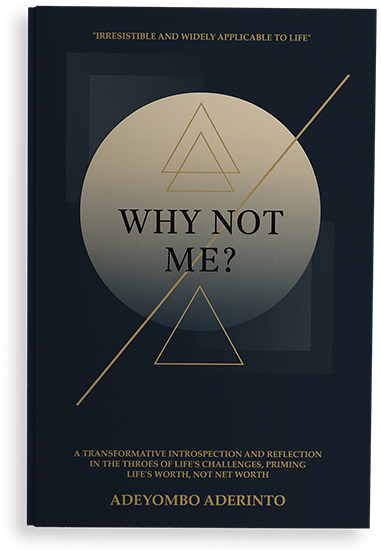
Before anything else, survivorship starts with a rupture. In Adeyombo Aderinto’s book Why Not Me?, he describes sitting in a doctor’s office, hearing two heavy syllables, “You have cancer”, and feeling the floor drop out. It’s a moment so many of us dread, and it’s rarely followed by immediate bravery. More often, it’s followed by numbness, denial, or a frantic scramble to make sense of a suddenly unfamiliar life.
Survivorship doesn’t begin when the chemo stops or the scans come back clean. It begins the moment you realize life will never look the same again. And that’s okay. In fact, it’s necessary. You don’t get to skip the grief of the old normal just to jump into gratitude for the new one. The emotional work starts right in that messy, in-between space.
It’s Not a Straight Line (The Messy Middle)
Here’s the part no one warns you about: recovery isn’t linear. You’ll have days where you feel invincible, and days where a routine blood draw sends your heart racing. You’ll start planning summer trips, only to cancel them because your body isn’t ready. You’ll lie awake at 2 a.m., wondering if that twinge in your side means it’s back.
Aderinto writes honestly about this phase. He thought surgery would be the finish line. Instead, it opened the door to a stubborn blood infection, another hospital stay, a catheter that caused agonizing pain, and weeks of waiting for antibiotics to kick in. Survivorship, emotionally, means making peace with the fact that healing is rarely tidy. It’s learning to trust your body again, even when it feels like a stranger. It’s accepting that fear doesn’t mean you’re ungrateful, it just means you’re human.
When the Scare Returns
There’s a moment in the book where, just as things seem to be stabilizing, a sudden wave of chills, a racing heart, and yellowing skin sends him back to the ER. The panic is immediate. The questions flood in. And yet, even in that moment, there’s a quiet shift happening inside him. He stops fighting the reality of his circumstances and starts leaning into them. He realizes that setbacks aren’t punishments; they’re invitations to recalibrate. Survivorship isn’t about never feeling scared again. It’s about learning how to hold the fear without letting it steer.
The Weight of “Normal”
People keep asking, “Are you back to normal?” But normal died the day the diagnosis landed. What replaces it isn’t a return to who you were, it’s the slow, deliberate construction of who you’re becoming. Aderinto talks about how he used to treat time like it was infinite. He postponed things, minimized his potential, waited for the “right moment.” Survivorship shatters that illusion. It doesn’t just remind you that time is short; it demands that you treat it like it’s sacred. Not in a frantic, hustle-culture way, but in a grounded, deliberate one. It means saying hello like you mean it. It means finishing the project you’ve been shelving. It means giving yourself permission to be a work in progress, right now.
The Quiet Gifts That Show Up
When life strips away the noise, what’s left is startlingly human. And survivorship has a way of magnifying it. In Why Not Me?, Aderinto doesn’t focus on grand gestures or dramatic breakthroughs. He focuses on the small, almost invisible moments that actually carry you through: a ten-year-old autistic student named Andrea who quietly hands him a wooden cross “for your protection”; a stranger at a chaotic border crossing who gives him his own phone battery without asking for a dime; a nurse whose initial sternness melts into genuine, steady compassion.
These aren’t just nice stories. They’re proof that when you’re stripped down to your essentials, you start noticing what actually matters. Survivorship teaches you to look for grace in the margins. It rewires your radar. You stop waiting for life to hand you a trophy and start noticing the quiet hands that keep you standing.
Redefining What “Worth” Actually Means
We live in a culture that measures success in titles, bank accounts, and productivity metrics. But hardship doesn’t care about your LinkedIn profile. When you’re navigating survivorship, the only metric that actually holds weight is life’s worth. Aderinto writes about this distinction repeatedly. Net worth is about accumulation. Life’s worth is about connection, gratitude, showing up for people, sitting with discomfort instead of running from it, and choosing humanity over convenience.
Survivorship forces you to audit your life. Not to punish yourself, but to align yourself. It asks: What am I building this for? Who am I showing up as? What kind of love am I practicing? The answers aren’t always comfortable, but they’re always clarifying. You start trading the loud, flashy pursuits for the quiet, lasting ones. And that shift? It’s exhausting. But it’s also incredibly freeing.
Why “Why Not Me?” Changes Everything
For years, Aderinto wrestled with the same question we all do: Why me? It’s a natural reflex. But it’s also a trap. It paints you as a victim of circumstance, draining the energy you actually need to navigate what’s in front of you. The shift to “Why not me?” isn’t toxic positivity. It’s ownership. It’s looking at the curveball life threw and saying, Okay. This is mine now. What do I do with it?
In survivorship, this mindset is everything. It doesn’t erase the pain, but it changes what the pain does to you. It turns hardship from a sentence into a syllabus. It stops you from wasting energy on “this shouldn’t be happening” and redirects it toward “how do I move through this with integrity?” You stop asking for an easier path and start asking for stronger legs. And suddenly, the path becomes walkable.
The Real Finish Line (Spoiler: There Isn’t One)
Here’s the quiet truth no one tells you: survivorship isn’t a destination. It’s a practice. It’s showing up for your follow-up scans even when you’re terrified. It’s letting yourself cry in the grocery store because you’re overwhelmed by how much you’ve carried. It’s learning to trust joy again without feeling guilty for it. It’s realizing that the goal isn’t to “get over” it, but to grow around it.
Why Not Me? doesn’t promise you’ll never face hardship again. Life doesn’t work that way. What it does offer is a different way to meet it. It’s a steady, unpretentious companion for anyone who’s tired of asking why life is so hard and is finally ready to ask how it’s shaping them. Because here’s the reality Aderinto lives out on every page: the challenges don’t diminish your worth. They reveal it. And when you stop fighting your circumstances and start leaning into them with curiosity, courage, and a whole lot of grace, something remarkable happens. You stop surviving your life. You start living it. So, if you’re in the messy middle of survivorship right now, take a breath. You’re not behind. You’re not broken. You’re just human, learning how to carry a heavier load with a lighter step. And that’s more than enough.