
Why Emotional Intelligence Matters More Than Ever for Children
We’re living in an era where kids are tracked, tested, and optimized before they can even tie their own shoes. Apps promise to boost their vocabulary. Tutors prep them for college at age ten. We measure their progress in grades, screen time, and extracurricular trophies. And while all that hustle comes from a good place, we’re quietly missing the most important piece of the puzzle. It’s not hidden in a curriculum or a flashcard set. It’s in how they handle disappointment. How do they treat the kid who sits alone at lunch? How do they talk to themselves when they mess up? In short: emotional intelligence. And honestly? It’s never mattered more.
The Illusion of “Smart” vs. The Reality of “Grounded”
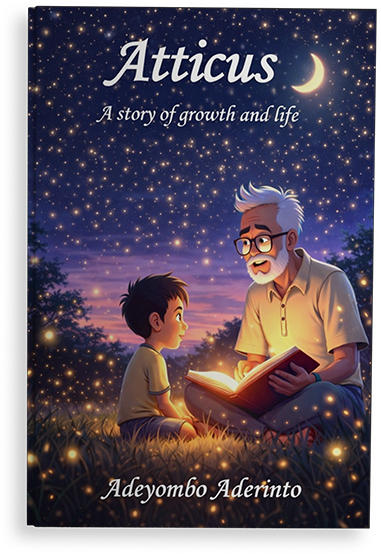
In Atticus: A Story of Growth and Life, author Adeyombo Aderinto doesn’t write a typical parenting or education manual. He writes a legacy letter to his newborn grandson, one that cuts straight through the noise of modern achievement culture. He points out something we’ve largely ignored: “academic and professional growth cannot be fully optimized or attained without” social-emotional depth.
Think about that for a second. You can raise a kid who aces every standardized test, but if they don’t know how to navigate their own emotions, read a room, or sit with discomfort, they’re missing the real blueprint for a well-lived life. Grades might get them in the door. Emotional intelligence is what keeps them in the room, healthy, connected, and resilient when the real world doesn’t hand them an answer key.
What EQ Actually Looks Like in Real Life
So, what does emotional intelligence actually look like in a child? It’s not about being overly polite or never losing their cool. It’s about awareness. It’s the four-year-old who can say, “I’m frustrated,” instead of melting down. It’s the ten-year-old who pauses before snapping at a sibling. It’s learning to ask, “What’s really going on here?” instead of just reacting on autopilot.
Aderinto frames this beautifully through a simple but profound lens: the six questions, Who, What, When, Where, How, and Why. He calls them “the light that brightens in the dark” and the “master keys to the world.” And he’s right. When kids learn to ask these questions, not just for homework, but for life, they’re building emotional muscle. Why did I feel that way? How can I fix this? Who needs my help right now? These aren’t academic prompts. They’re survival skills for the human experience. They teach kids to slow down, reflect, and respond instead of just reacting.
The “We” Over “I” Shift
Another layer of EQ that we don’t talk about enough? Humility. In a culture that rewards the loudest voice and the fastest win, teaching kids to say “I don’t know” or “I was wrong” feels almost radical. But Aderinto gently reminds us that arrogance is “the silly act of showing that you know everything,” while humility opens the mind to learning and growing.
He also leans on an African proverb that says people are “apparel with which you cover yourself.” It’s a beautiful, almost poetic way of saying: we are shaped by the people around us. Emotional intelligence isn’t just about managing your own feelings; it’s about recognizing how your actions land on others. It’s choosing “We” over “I,” not because it’s trendy, but because it’s true. Community, empathy, and shared humanity are what actually carry kids through life’s harder seasons. When kids learn to see themselves in others, they stop competing and start connecting.
Why It Matters MORE Than Ever (Especially Now)
Let’s be honest about the world they’re stepping into. We’re raising kids in the age of algorithms, AI homework assistants, and screens that deliver instant answers. When a machine can draft an essay in ten seconds or tell you exactly how to feel about a trending topic, what’s left for the human to do?
The answer is everything that can’t be automated: empathy, moral reasoning, self-awareness, and the courage to sit with uncertainty. Aderinto doesn’t shy away from this reality. He acknowledges that technology is a powerful tool, but warns, “Don’t let it take your mind to dark places.” Emotional intelligence is the guardrail. It’s what keeps kids grounded in their humanity when the digital world tries to flatten them into data points. It teaches them to pause before they post, to question before they consume, and to choose presence over distraction.
How to Actually Foster It (Without Adding to Your Plate)
You don’t need a PhD in child psychology or a perfectly color-coded routine to raise emotionally intelligent kids. You just need a little patience, a lot of grace, and a willingness to model what you want to see.
Next time your kid is spiraling over a lost game or a tough grade, skip the quick fix. Sit with them. Say, “That’s really hard. What’s going on for you right now?” Let them name it. Validate it. You don’t have to solve it. When they ask a million “whys,” don’t shut it down. Lean in. Ask one back. Model your own emotional honesty: “I’m feeling really overwhelmed today, so I’m going to take a few deep breaths before we talk.” Kids catch what we model, not just what we lecture.
And when they mess up, and they will, treat it as data, not a disaster. Aderinto writes that your name “rejects failure but sees errors or mistakes as things to correct in life as you work towards success.” That’s EQ in action. It removes the shame from stumbling and replaces it with curiosity. It teaches kids that missteps aren’t the end of the road; they’re just the road.
The Real Legacy We Leave Behind
At the end of the day, raising emotionally intelligent kids isn’t about producing perfect little humans. It’s about raising resilient, kind, deeply aware ones who know how to navigate their own hearts and show up for others. Atticus isn’t a book about raising straight-A students. It’s a quiet manifesto for raising good humans.
And honestly? That’s the only metric that actually lasts. Because the world doesn’t need more kids who know all the answers. It needs kids who know how to ask the right questions, how to hold space for discomfort, how to practice humility when it’s easier to brag, and how to choose kindness when it’s easier to look away. That’s emotional intelligence. And it’s the greatest inheritance we can leave them.